Can you tell us a bit about yourself and what inspired you to take part in Code in place?
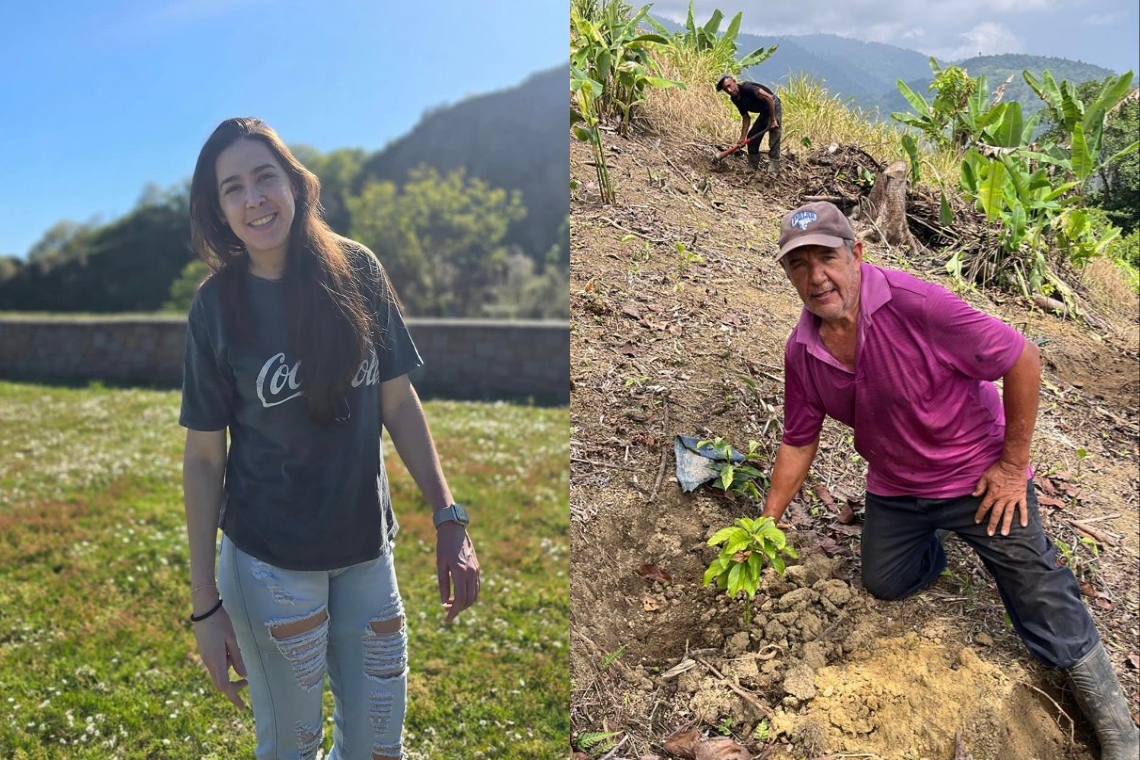
My name is Maritza Gouveia. I’m from Venezuela, and my parents are Portuguese. I grew up on a farm in Venezuela, and I’ve always been interested in technology. I studied three years of Computer Engineering at university before moving to Jersey in search of a better future.
Since then, I’ve worked in different roles, but I’ve always maintained an interest in technology. Last year, I had the opportunity to take part in the Code in Place course at Digital Jersey with François and Gian. It was a fantastic experience and a great way to understand and learn Python. With their support and by following the course videos, I learned a lot about Python and how to apply those lessons in real-life situations.
You mentioned you were helping your dad with the avocado plantation. What challenges were you seeing that made you think an app could help?
My dad has a project planting avocados on some land, and it’s a long-term investment. While thinking about how he could track all the costs and progress, I had the idea that it might be easier if he had an app.
The app could help him track everything involved in running the project, such as preparing the land, buying the plants, and managing the people involved. I thought it would be an interesting exercise to build the app as a way of practising my coding skills, while also creating a useful tool for my dad to monitor his investment.
What does the app help track or manage, and how has it supported the day-to-day running of the plantation?
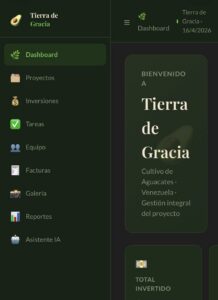
The app helps track the progress of the project in different ways. For example, you can upload pictures to compare the land before and after planting. You can also track how much money has been invested and what it has been spent on, such as buying plants or paying workers.
It allows you to store details of the people involved and keep a record of payments. You can also generate reports to understand the overall cost of the plantation.
I’m currently working on adding a feature to compare future selling prices of avocados—still working on that one! I’ve also added an AI button so users can ask questions if they need help.
Another feature I’m developing is a tracking system for plant care, where you can schedule tasks in a calendar. For example, if the plants need watering every week, you can set reminders for that.
What has it been like learning coding while building something with a real purpose for your family business?
Taking part in the Code in Place course helped me understand that Python can be used in many different ways and for a wide range of purposes. I initially thought about building something related to sports, as I really enjoy them, but when my dad started his project, the idea for the app came to me.
I thought it would be a great way to practise while also creating something useful. At the same time, my dad can have a full record of the project and eventually see all the work that has been done.
In my opinion, learning to code is more than just programming—it’s about using those skills in your everyday life.
What would you say to someone thinking about learning coding or digital skills for the first time?
At the beginning, it can be difficult, and it may feel like it takes a long time to learn. But even when you think you’re not making progress, you actually are.
Learning to code changes the way you think and how you approach daily challenges. Problem-solving is my favourite part—breaking problems down into smaller pieces is key. To solve a coding problem, you first need to understand it fully, and once you realise that, you can apply the same thinking to many areas of life.
That’s why I think Code in Place is a great option for anyone looking to start their coding journey.
What has been the biggest learning curve while building the app?
When I first wrote down the idea on paper, it seemed quite straightforward. But once I started building it, I realised it was more complex—although I’ve had help from AI as well, so it’s definitely not just my work!
The biggest challenge was getting all the different parts to work together and running the app on my phone. That was a steep learning curve.
That said, I still feel like I’m on a learning journey because I have many more ideas I’d like to add. Learning through trial and error—trying, failing, and trying again—is the best way to improve, in my opinion.
I think it’s fair to say—it’s always a learning curve!